
Why Kitchen Plumbing Deserves Early Attention
In many remodels, plumbing is treated as a secondary consideration. However, its placement directly impacts design, layout, and usability. The location of sinks, dishwashers, and refrigerators dictates how pipes must be rerouted or upgraded. Ignoring these logistics early on can lead to higher expenses and unexpected delays during construction.
When you collaborate with a professional remodeler, plumbing design typically begins during the initial planning phase. This approach allows contractors to identify potential challenges—such as outdated pipes or limited water pressure—before new walls, cabinetry, or flooring are installed.
Assessing the Current Plumbing System
Before demolition or redesign, experts perform a full inspection of the existing plumbing system. They assess pipe materials, drain slopes, venting configurations, and water pressure levels. In older homes, galvanized pipes or corroded fittings often need replacement to ensure safe, reliable water delivery.
If your home’s plumbing hasn’t been updated in over 20 years, a remodel presents the perfect opportunity to modernize. New copper or PEX lines not only enhance water flow but also reduce the risk of leaks and corrosion. Professional plumbers also check for code compliance to meet Sacramento’s building standards and ensure your remodel passes inspection without issue.
Strategic Sink and Appliance Placement
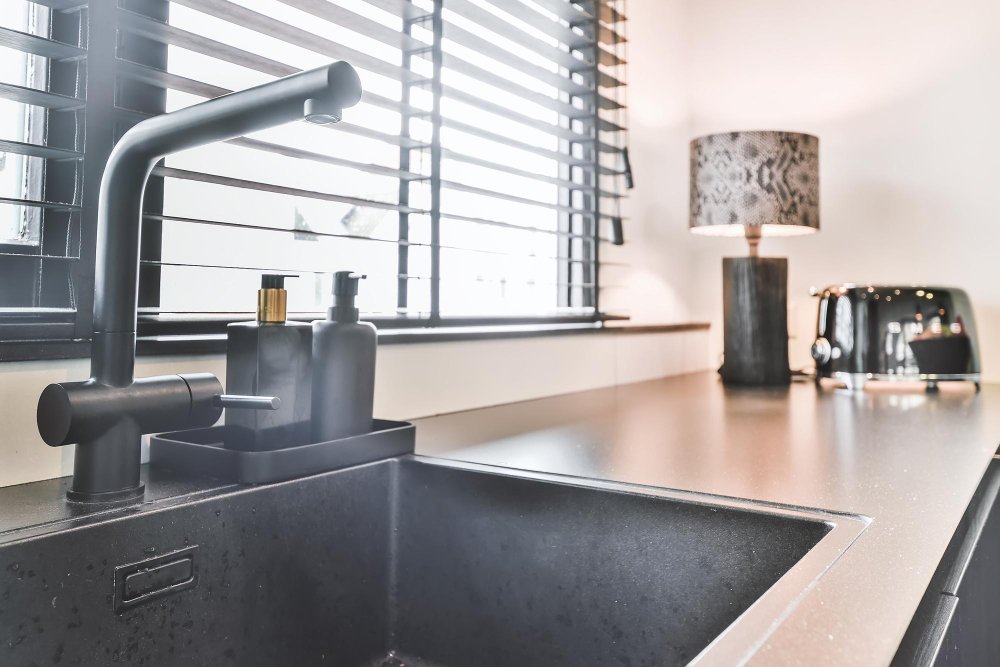
The sink remains the heart of the kitchen’s plumbing layout. Its location influences where water supply and drainage lines must run. Most remodelers recommend placing the sink near a window or central workspace for both functionality and visual appeal. If you’re adding a second prep sink or island sink, your plumbing system must accommodate additional lines and venting.
Similarly, dishwashers and refrigerators with water dispensers require dedicated connections. Modern layouts often position these appliances close to each other to minimize piping complexity. A design-build team can create efficient routing plans that minimize pipe length, reduce installation costs, and maintain consistent water pressure across all fixtures.
Modern Plumbing Fixtures and Technology
Today’s kitchen plumbing systems integrate advanced technology for convenience and efficiency. Touchless faucets, water filtration systems, and instant hot water dispensers bring new levels of luxury and hygiene. These fixtures not only simplify everyday tasks but also contribute to sustainability by reducing waste.
Smart home integrations can monitor water usage and detect leaks in real time, preventing costly damage. Selecting high-quality fixtures and materials ensures longevity and aligns with the aesthetic of your kitchen design. Always confirm that chosen components are compatible with your plumbing system’s pressure and flow capacity.
Common Plumbing Challenges During Remodels
Even with detailed planning, unexpected plumbing issues can arise—especially in older homes. Hidden leaks, outdated venting systems, or improper pipe slopes can complicate installations. Professional remodelers anticipate these challenges and design flexible solutions to keep the project on schedule.
In some cases, shifting the kitchen layout dramatically—such as moving the sink or adding a wet bar—may require trenching floors or rerouting lines through walls. While these changes add to labor costs, they can significantly improve functionality and resale value. It’s worth addressing them during the remodel rather than postponing for later repairs.
Energy Efficiency and Water Conservation
Upgrading your plumbing is also an opportunity to embrace sustainability. Installing low-flow faucets, aerators, and energy-efficient dishwashers reduces both water and energy consumption. Tankless water heaters are another excellent option, providing hot water on demand without the standby heat loss associated with traditional tanks.
Remodelers can also recommend greywater systems for eco-conscious homeowners, allowing water from sinks and dishwashers to be reused for landscape irrigation. These innovations lower utility costs and support California’s ongoing water conservation efforts.
Budgeting for Kitchen Plumbing Work
Plumbing costs vary based on project scope, home age, and fixture quality. Basic updates may involve replacing supply lines and fittings, while full remodels require new drain lines, vents, and rerouted systems. Homeowners should allocate at least 10–15% of their kitchen remodeling budget for plumbing to cover materials, permits, and skilled labor.
Obtaining multiple quotes from licensed professionals ensures transparency and value. Look for remodelers who offer warranties on both materials and workmanship—an indicator of confidence in their quality and durability.
Collaborating With Design-Build Experts
Working with an integrated design-build firm simplifies the remodeling process. Instead of coordinating between separate plumbers, designers, and contractors, the entire team collaborates from the start. This approach ensures your kitchen plumbing plan aligns perfectly with cabinetry, electrical, and layout requirements.
Visiting a Sacramento home improvement showroom can also help homeowners choose fixtures that suit both aesthetic preferences and technical needs. Seeing faucet styles, sink configurations, and appliance options in person makes it easier to visualize how plumbing components fit into the overall design.
Maintenance and Long-Term Care
After installation, maintaining your kitchen plumbing is essential for performance and longevity. Regularly inspect visible pipes, shut-off valves, and under-sink areas for leaks or moisture buildup. Avoid pouring grease or harsh chemicals down drains, and schedule annual inspections to catch minor issues early.
Replacing filters in water purification systems and cleaning aerators ensures continued water quality. With proper care, your plumbing system can remain efficient and trouble-free for decades, supporting a clean, comfortable kitchen environment.
Final Thoughts
Plumbing may be hidden behind walls, but its impact on kitchen design is profound. A well-planned plumbing system supports daily convenience, protects your investment, and enhances overall efficiency. Whether you’re upgrading fixtures or completely reimagining your layout, thoughtful kitchen plumbing design ensures your remodel functions as beautifully as it looks.
By combining expert craftsmanship, sustainable technologies, and a clear plan, Sacramento homeowners can enjoy kitchens that meet today’s needs and tomorrow’s innovations—one carefully placed pipe at a time.