
What Defines a Galley Kitchen?
Named after shipboard kitchens, the galley layout consists of two parallel counters separated by a walkway. This arrangement creates an efficient work triangle, minimizing movement between the sink, stove, and refrigerator. Because of its compact structure, it’s one of the easiest kitchen types to remodel for improved flow and storage. When well-designed, a galley can rival even the most spacious layouts in usability and charm.
The Power of the Work Triangle
Every functional kitchen centers on the “work triangle”—the distance between the sink, cooktop, and refrigerator. In galley kitchens, this triangle becomes linear and efficient, allowing cooks to pivot quickly between prep, cooking, and cleaning zones. Remodeling professionals often adjust this layout by widening the aisle slightly (to about 4–6 feet) to prevent congestion and accommodate multiple users.
Lighting and ventilation are equally important. A combination of under-cabinet lighting, overhead pendants, and strategic window placement can make even a narrow galley feel open and inviting. Adding a skylight or light tunnel is another way to brighten older kitchens with limited natural light.
Maximizing Storage in Narrow Spaces
Storage is often the top priority in a galley remodel. Utilizing vertical space with tall cabinetry, open shelving, or hanging racks helps free up counter space. Roll-out drawers, lazy Susans, and hidden organizers keep every inch productive without cluttering the room. Thoughtful upgrades like soft-close hinges and integrated lighting improve functionality while maintaining a streamlined appearance.
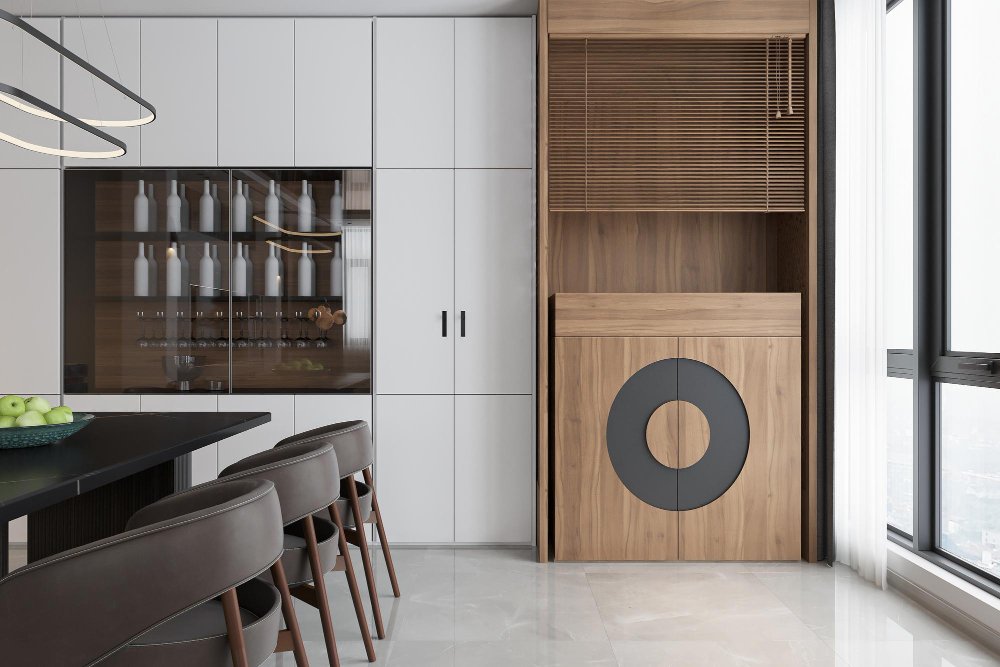
When planning a remodel, consider cabinetry finishes that reflect light—like pale wood tones, glossy white, or glass inserts. These surfaces visually expand the room while keeping the design cohesive. The goal is to balance aesthetics and function in equal measure.
Flow and Accessibility
Good design isn’t only about looks—it’s about movement. The key to a functional galley is ensuring there’s enough space to move comfortably without collisions. Professionals recommend keeping one side of the kitchen as the primary work zone and the other as support (storage or serving). This zoning approach minimizes cross-traffic and makes everyday cooking more intuitive.
For families or frequent entertainers, a small peninsula or breakfast bar at one end can open the galley to adjacent spaces, adding social connection without sacrificing efficiency.
Incorporating Modern Plumbing and Utilities
When undertaking a galley kitchen remodel, updating the plumbing system can significantly impact performance and longevity. Expert remodelers often recommend integrating efficient kitchen plumbing solutions that support modern appliances like high-performance dishwashers, water filtration systems, and touchless faucets. Proper placement of supply and drain lines prevents cluttered under-sink spaces and ensures accessibility for future maintenance.
For older homes, reconfiguring plumbing to accommodate new layouts can make a dramatic difference. Running new water lines for island sinks or pot fillers enhances usability while maintaining the clean, linear aesthetic of the galley format.
Design Aesthetics: From Minimalist to Luxury
Today’s galley kitchens can be designed in virtually any style—from sleek contemporary to rustic farmhouse. In minimalist designs, flat-panel cabinets and integrated appliances create a seamless flow. For more luxurious looks, consider natural stone countertops, bold backsplashes, and custom millwork that elevates the space from practical to premium.
Remodelers often use contrasting tones—light upper cabinets paired with darker base cabinets—to create depth and dimension. Mirrors, metallic finishes, and open shelving can also make narrow kitchens feel larger without compromising storage.
Smart Technology for Compact Kitchens
Smart appliances and lighting controls have revolutionized small-space design. Wi-Fi-enabled ovens, induction cooktops, and voice-activated faucets enhance convenience and safety. Homeowners can monitor water usage or preheat the oven remotely—useful features for busy lifestyles.
Smart lighting adds flexibility, allowing mood adjustments for cooking, dining, or entertaining. These subtle integrations modernize galley kitchens while maintaining their efficient DNA.
Budgeting and Planning for a Galley Remodel
The cost of remodeling a galley kitchen depends on scope and materials. For modest upgrades, homeowners might focus on new countertops, cabinet refacing, or updated fixtures. A full redesign—including new plumbing, cabinetry, and flooring—requires a higher budget but delivers a complete transformation.
To make the most of your investment, work with a design-build firm that offers integrated planning and construction. This approach ensures accurate budgeting and a smooth remodeling experience. Visiting a Sacramento home improvement showroom can also help you compare finishes and gather design inspiration before finalizing plans.
Maintaining Function Over Time
Once your galley kitchen is complete, maintaining function is about organization and upkeep. Keep frequently used items within reach, rotate pantry goods regularly, and schedule periodic plumbing inspections to prevent leaks or clogs. Updating lighting or hardware every few years can also refresh the look without a full remodel.
Ultimately, the galley layout remains timeless because it prioritizes efficiency. When combined with smart design, quality materials, and expert craftsmanship, this compact format proves that style and practicality can thrive side by side.