
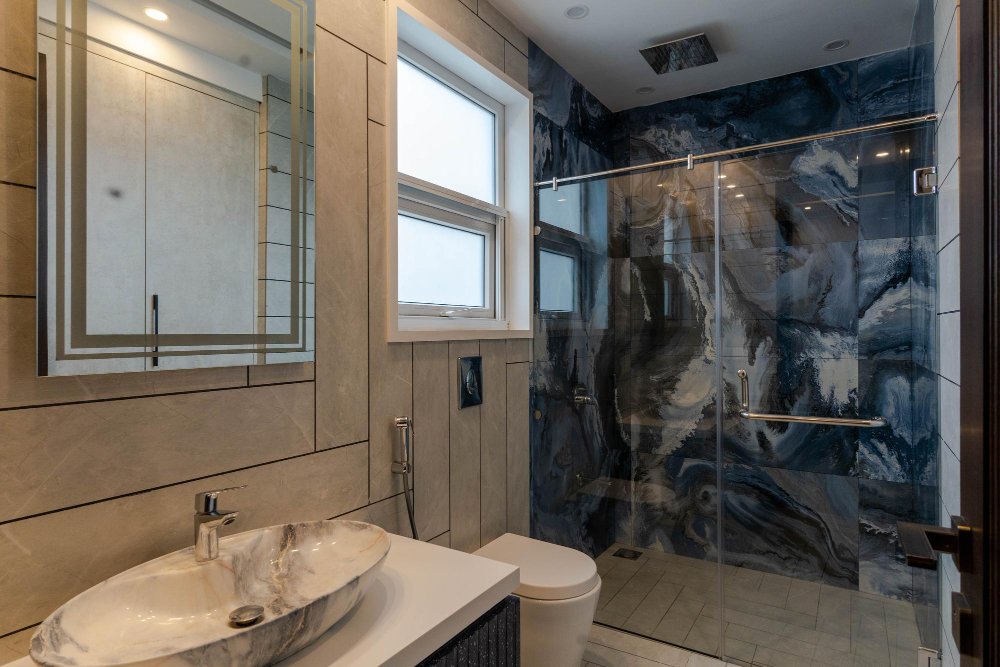
Why More Homeowners Are Choosing Showers Over Tubs
Today’s remodeling trends lean heavily toward walk-in showers that combine convenience and style. Many homeowners are replacing bulky bathtubs with streamlined showers for better accessibility and easier maintenance. Beyond aesthetics, modern showers offer water efficiency and space optimization—two valuable benefits for contemporary living.
Whether you’re upgrading a guest bathroom or transforming a master suite, understanding your cost breakdown helps you plan effectively and make informed design decisions that align with your lifestyle.
Breaking Down Shower Remodel Cost
Most shower remodels range between $7,000 and $20,000 depending on complexity. The total depends on several key factors—each affecting both labor and material costs. Let’s explore the most important contributors to your project’s price.
1. Demolition and Preparation
Removing an existing bathtub or old shower enclosure is the first step. This stage involves disposal fees, surface preparation, and assessing the plumbing structure beneath the walls or floors. Proper waterproofing is critical to avoid mold and moisture issues later on. Skimping on prep work can lead to costly repairs down the road.
2. Plumbing Modifications
Plumbing upgrades often account for a substantial portion of your shower remodel cost. Moving water lines or adding new fixtures—like handheld sprayers or rain showerheads—requires expertise. In older homes, outdated pipes may need replacement to meet current building codes and performance standards.
Upgrading to efficient plumbing fixtures saves water and enhances comfort. Pressure-balancing valves, thermostatic controls, and anti-scald devices all improve safety while maintaining a consistent temperature.
3. Shower Design and Materials
The design you choose dramatically influences overall cost. Prefabricated shower kits are budget-friendly and quick to install, while custom-tiled showers provide greater flexibility in layout and aesthetics. Tile type, grout selection, and wall waterproofing systems each impact both durability and pricing.
For a timeless look, homeowners often choose porcelain or ceramic tile for their blend of beauty and low maintenance. Glass enclosures, on the other hand, create a sleek, open feel that enhances visual space—ideal for smaller bathrooms.
4. Fixtures and Accessories
Fixtures are the jewelry of your bathroom. From sleek chrome finishes to matte black or brushed gold, each choice defines your shower’s personality. Adding built-in niches, benches, or multiple showerheads adds luxury but also increases installation complexity.
Professional remodelers help homeowners choose durable, high-quality fixtures that align with both budget and design. Investing in reputable brands ensures reliability and easier long-term maintenance.
Design Options That Influence Cost
Choosing between a traditional or curbless shower can significantly affect expenses. Curbless (or zero-entry) showers offer modern aesthetics and universal accessibility but require precise waterproofing and sloped flooring. Frameless glass doors also elevate the design yet come with higher material and installation costs compared to framed options.
For homeowners seeking luxury, integrated steam systems, custom lighting, and digital temperature controls add sophistication and convenience—though each feature raises total investment.
Labor, Permits, and Local Regulations
Labor costs for a shower remodel typically make up 40–60% of the total. Skilled trades handle demolition, waterproofing, tiling, plumbing, and finishing. Hiring licensed professionals ensures compliance with Sacramento and Murphy-area building codes, including necessary permits for plumbing and electrical work.
Always confirm that your contractor includes permitting fees and inspections in their proposal. Failing to meet code requirements can create future safety and resale challenges.
Budgeting for Quality and Longevity
It’s tempting to cut corners to save money, but quality installation determines how long your shower lasts. Waterproof membranes, high-grade grout, and professional sealing protect against leaks and mildew. Investing in expert craftsmanship upfront reduces future repair costs and ensures your remodel stands the test of time.
Homeowners should plan a 10–15% contingency fund to cover unexpected findings—like hidden water damage or outdated plumbing. A flexible budget allows for smooth project progression without compromising quality.
Energy Efficiency and Eco-Friendly Upgrades
Today’s showers can be luxurious and sustainable. Water-saving fixtures, low-flow showerheads, and efficient valves conserve water without diminishing performance. Using eco-certified materials—like recycled glass tiles or low-VOC sealants—reduces environmental impact while maintaining style.
Pairing sustainable upgrades with energy-efficient lighting and ventilation improves indoor air quality and reduces monthly utility costs. Eco-conscious remodeling proves that luxury and responsibility can go hand in hand.
Finding the Right Remodeling Partner
Choosing a design-build firm simplifies the process by combining design expertise, project management, and skilled trades in one team. This collaboration minimizes delays and miscommunication while ensuring your remodel adheres to both timeline and budget.
Visiting a Sacramento home improvement showroom is an excellent way to explore finishes, fixtures, and layouts before construction begins. Seeing products in person helps homeowners make confident decisions and visualize the finished result.
Timeline Expectations
Most standard shower remodels take two to four weeks to complete, depending on design complexity and permitting timelines. Prefabricated units can be installed in as little as a few days, while custom-tiled showers require longer curing and inspection periods. Planning early with your contractor ensures minimal disruption to daily routines.
Final Thoughts: Designing for Everyday Luxury
Upgrading your shower isn’t just a cosmetic improvement—it’s an investment in comfort and functionality. With proper planning, the right materials, and trusted professionals, you can manage your shower remodel cost effectively while creating a personalized space that enhances daily life.
From efficient layouts to spa-level finishes, every design choice shapes the experience of your bathroom. By balancing practicality, aesthetics, and budget, you can turn a simple remodel into a lasting retreat that adds value and serenity to your home.