
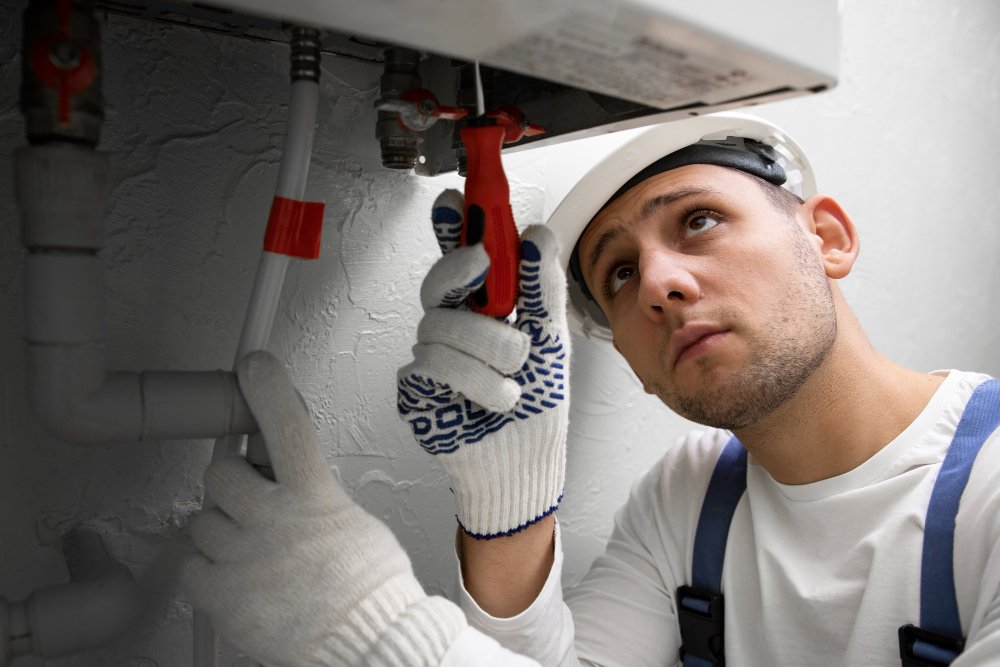
Updating your home’s water heater may not seem exciting, but it’s one of the most practical improvements you can make. A properly installed unit ensures consistent water temperature, better efficiency, and eliminates cold-shower surprises. Whether your old heater is failing or you’re upgrading for improved performance, planning a water heater installation near me requires timing, preparation, and the right expertise. This guide walks you through the entire process, step-by-step.
Step 1: Know When It’s Time to Replace Your Unit
Many people wait until their current heater stops working — but replacing it earlier avoids emergency service calls and stress. Most systems last 8–12 years, depending on usage and maintenance. Signs you may need a replacement include:
-
Fluctuating or insufficient hot water
-
Rumbling or banging noises from the tank
-
Rusty, cloudy, or metallic-smelling water
-
Leaks near the tank base
-
Rising energy bills without increased usage
If any of these apply, replacement is likely the smartest move.
Step 2: Evaluate Your Current Setup and Options
Before choosing a new system, review what you already have — tank size, location, and energy source. Your choice may depend on whether you want a similar unit or a modern high-efficiency upgrade.
Available types include:
-
Standard Tank Systems — Reliable, affordable, and ideal for predictable usage
-
Tankless Systems — Heat water on demand and offer endless supply with lower energy waste
-
Hybrid/Heat Pump Systems — Extremely efficient and ideal for reducing long-term utility costs
Professional guidance helps ensure the system suits your home and lifestyle.
Step 3: Size the System Correctly
Sizing matters. A unit too small won’t meet daily demand, while an oversized one wastes energy. Storage tank heaters are rated in gallons, while tankless systems focus on flow rate (GPM). Installers consider:
-
Number of residents
-
Household usage patterns
-
Bathrooms and appliance count
Correct sizing ensures comfort and efficiency.
Step 4: Compare Fuel Type and Efficiency Ratings
Your energy source affects cost, lifespan, and performance. Options include electricity, natural gas, propane, or hybrid technology. Look for high UEF (Uniform Energy Factor) ratings and ENERGY STAR® certification for long-term savings.
Step 5: Prepare Your Home for Installation
Before installation day, ensure the area is accessible and shut-off valves are reachable. If you’re switching system types — for example, from tank to tankless — additional plumbing or ventilation adjustments may be required. Standard installations take 3–5 hours.
Step 6: The Professional Installation Process
A licensed technician will:
-
Shut off water, gas, or electrical connections
-
Drain and remove the existing system
-
Inspect plumbing and adjust venting if needed
-
Install the new unit and test for leaks
-
Set temperature and safety controls
Professional installation ensures compliance with safety standards and building codes.
Step 7: Final Safety Inspection
After installation, the system is tested to verify proper venting, pressure relief, temperature settings, and leak-free operation. Temperature is typically set at 120°F for safety and efficiency.
Step 8: Maintain the System for Long-Term Performance
Even the most advanced water heaters need maintenance. Regular service prevents buildup, corrosion, and reduced performance. Tank units benefit from flushing and periodic anode rod replacement, while tankless systems need filter and mineral scale cleaning.
Working with reliable plumbing contractors helps ensure the system runs efficiently for years to come.
Step 9: Understand the Cost Range and Available Rebates
Depending on type and complexity, installation costs typically range from $1,200 to $3,500. While tankless systems cost more upfront, their energy savings often offset the price within a few years. Some regions also offer rebates for energy-efficient upgrades.
Step 10: Enjoy Better Comfort and Efficiency
Once installed, the benefits are immediate — consistent hot water, better temperature control, improved efficiency, and long-term reliability. Over time, reduced utility bills and fewer repair needs make the upgrade worthwhile.
Final Thoughts
A new water heater is a valuable investment that improves comfort, efficiency, and home value. With the right planning and expert support, the entire process is smooth and stress-free. Whether you’re upgrading technology or simply replacing an aging unit, a properly handled installation ensures lasting performance and peace of mind.