
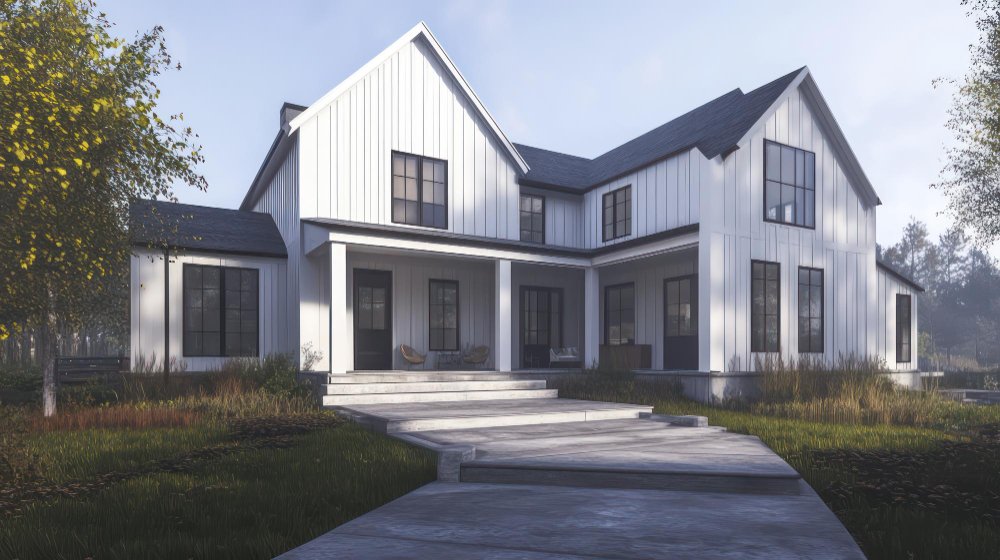
T1-11 siding has been a popular option for decades because it delivers a rustic appearance while functioning as both siding and structural sheathing in certain applications. However, selecting the wrong thickness can impact durability and may lead to future maintenance issues.
This guide explains the different thickness options and how to choose the right one for your project.
What Is T1-11 Siding?
T1-11 is a plywood or engineered wood panel siding system.
It features vertical grooves that create a classic board-and-batten appearance.
Common Applications Include:
- Residential homes
- Sheds
- Detached garages
- Workshop buildings
Its versatility contributes to its popularity.
Standard T1-11 Thickness Options
T1-11 is manufactured in several common sizes.
Typical Thicknesses Include:
- 3/8 inch
- 5/8 inch
- 3/4 inch
Each option serves different structural requirements.
3/8-Inch T1-11
This is the thinnest and most affordable option.
Advantages Include:
- Budget-friendly pricing
- Lightweight installation
Limitations Include:
- Reduced durability
- Less structural strength
It is commonly used for sheds and utility structures.
5/8-Inch T1-11
This thickness is often preferred for residential applications.
Benefits Include:
- Improved strength
- Enhanced durability
- Better impact resistance
Many homeowners choose this option for exterior walls.
3/4-Inch T1-11
This is the thickest standard option.
Advantages Include:
- Maximum strength
- Superior rigidity
- Long-term durability
It is ideal for demanding environments.
How Thickness Affects Performance
When evaluating t1-11 thickness, homeowners should understand how panel size impacts overall performance.
Thicker Panels Provide:
- Greater impact resistance
- Improved stability
- Better structural performance
Thinner panels may be more vulnerable to damage.
Plywood vs Engineered Wood T1-11
There are two primary material categories.
Plywood T1-11
Advantages include:
- Natural wood appearance
- Strong structural performance
Engineered Wood T1-11
Benefits include:
- Uniform consistency
- Improved moisture resistance
- Cost efficiency
Each material has its own strengths.
Climate Conditions Matter
Environmental exposure influences performance.
Wet Climates
Consider:
- Thicker panels
- Additional moisture barriers
Dry Climates
More flexibility may be available.
Proper weatherproofing remains essential everywhere.
Maintenance Requirements
T1-11 requires regular maintenance.
Recommended Tasks Include:
- Inspecting annually
- Repainting periodically
- Sealing exposed edges
- Repairing damaged areas promptly
Routine care extends lifespan.
How Long Does T1-11 Last?
Properly maintained installations may last:
- 20 to 30 years or longer
Longevity depends on:
- Thickness selection
- Climate exposure
- Maintenance habits
- Installation quality
Regular upkeep significantly improves performance.
How T1-11 Increases Property Value
Well-maintained exteriors improve buyer perception.
Benefits include:
- Rustic curb appeal
- Architectural character
- Enhanced durability
- Improved protection
Quality installation maximizes these benefits.
Professional Installation Is Highly Recommended
Proper installation directly affects longevity.
Experienced contractors ensure:
- Accurate spacing
- Weatherproof sealing
- Correct fastening methods
- Code compliance
Poor installation may lead to moisture damage.
Many homeowners researching T1-11 siding thickness discover that expert installation is just as important as choosing the right panel.
Questions Homeowners Should Ask
- What climate do I live in?
- What is my remodeling budget?
- Will this be a primary residence?
- How much maintenance am I comfortable performing?
- Do I need additional structural strength?
These answers simplify decision-making.
Tips for Choosing the Right Thickness
- Choose thicker panels for harsh climates
- Invest in proper moisture barriers
- Prioritize durability over cost savings
- Seal all exposed edges
- Hire experienced installers
Planning ahead protects your investment.
Final Thoughts
Understanding t1-11 thickness helps homeowners choose a siding system that balances strength, aesthetics, and long-term performance.
Although several thickness options are available, selecting the right one depends on climate conditions, structural needs, and maintenance expectations.
By researching t1-11 thickness before beginning your project, you can confidently install a durable exterior that protects and beautifies your home for decades.